The Hidden Danger of Damaged Ladders
A damaged ladder is an accident waiting to happen. At first glance, a small crack, a loose rivet, or a worn leg may seem like minor issues, but they compromise the structural integrity of the ladder.
- At Home: It is common to use the old ladder stored in the garage that has been exposed to moisture or sunlight for years. Painted wood can hide dangerous cracks, and corroded metal can fail under pressure.
- At Work: Ladders in workplace environments must be inspected regularly. A ladder that wobbles or is missing parts must be removed from service and tagged until it is repaired or discarded. Never assume that equipment will “work just for a moment.”
It is estimated that more than 300 people die each year due to the improper use of ladders, and thousands suffer serious injuries. Let us not allow a minor repair or hanging a holiday decoration at home to become another statistic.
Inspection Is Your Best Friend
The key to preventing accidents is inspection before use. Before even stepping onto the first rung, take a minute to check the following:
- General Condition: Look for visible signs of damage, cracks, bends, or corrosion.
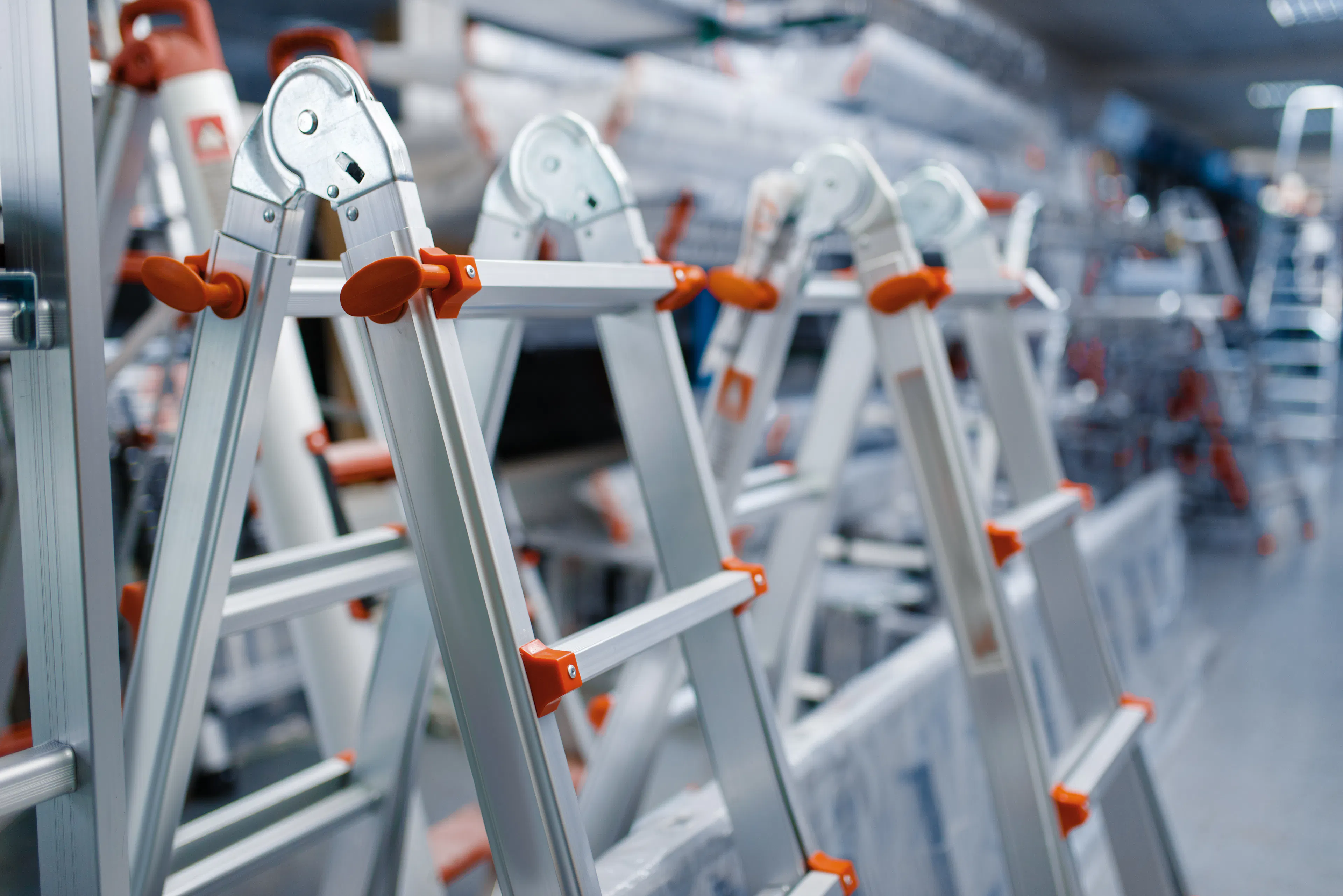
- Components: Make sure that all bolts, rivets, and locking mechanisms (in the case of extension or step ladders) function properly.
- Stability: Confirm that the anti-slip feet are not worn out or damaged. They are your main point of contact with the ground.
- Cleanliness: The rungs must be free of oil, grease, or dirt to prevent slips.
If you find any defect, the golden rule is simple: Do not use it! Find another ladder that is in perfect condition.
Basic Rules for Working Safely
Once you have a ladder in good condition, safe use is equally important:
- Correct Angle: For straight or extension ladders, use the “4-to-1 rule”: for every four feet (approx. 1.2 m) of height, the base should be one foot (approx. 30 cm) away from the wall.
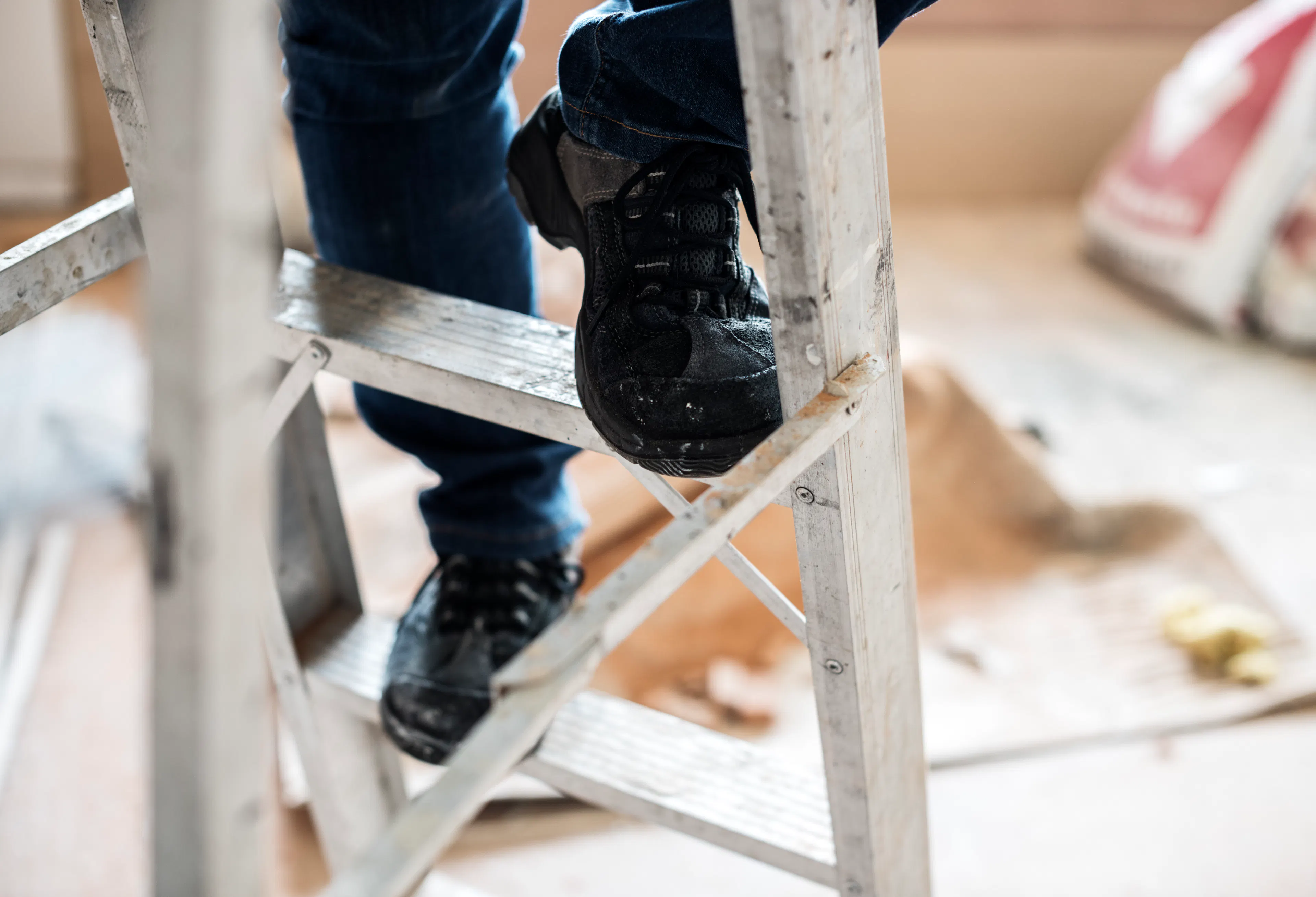
- Three Points of Contact: Always keep two hands and one foot, or two feet and one hand, in contact with the ladder at all times.
- Do Not Overreach: The most common cause of falls is leaning or stretching too far to reach something. It is better to climb down and reposition the ladder than to risk a fall.
- Stable Surface: Never place a ladder on boxes, barrels, chairs, or other unstable surfaces.
Let us be proactive. Let us ensure that our environment, both at the office and at home, is safe so that the only surprise we experience this Christmas is the joy of the holidays.